Tag: cancer

  • p53 and the Cellular Time Bomb


    Apologies for the short break in my usual posting schedule. Research got the better of me (again), and I’ve been really into another interesting part of the p53 story. But believe me, this one is worth the wait.

    Because of its well-known role in stopping the cell cycle, starting DNA repair, or if things go too far, starting cell death, we often call p53 the “guardian of the genome.” But p53 has another, less well-known power: it can make a cell get older. Forever.

    Cellular senescence is the name of this process. It is one of the most interesting biological programs that has to do with cancer, aging, and even inflammation. When a cell is under a lot of stress, like when it has been exposed to too much radiation or divided too many times, p53 can choose not to kill it but to keep it locked up forever. The cell doesn’t divide or die; it just stays there. Alive, frozen, reacting.

    Senescent cells are like ghosts at the molecular level. They can’t reproduce anymore, but they are still metabolically active and release signaling molecules, inflammatory cytokines, and growth factors. This group of substances is called the senescence-associated secretory phenotype (SASP). This SASP can either help the body by bringing in immune cells to fix damaged tissue or hurt it by making the body more inflamed, which can speed up aging and even cause tumors.

    And p53 is one of the main things that makes this limbo state happen. When DNA is damaged, it doesn’t always send the signal for apoptosis. It sometimes decides to senesce the cell instead. It’s a middle ground: a bet that keeping the cell alive but not harmful is better than losing tissue or starting a cancer.

    But here’s the twist: when it comes to cancer, p53-induced senescence can work against you. If the immune system doesn’t get rid of senescent cells quickly, the factors they release can help nearby cells grow tumors. Some cancer cells can even get out of senescence, re-enter the cell cycle, and come back with mutations that make them harder to stop.

    Because of this, p53’s role in aging is a double-edged sword: it protects young people but could hurt older people. It’s a great example of how biology doesn’t usually deal in absolutes. p53 isn’t just a molecular cop; sometimes it’s more like a jailer, keeping cells that could be dangerous behind bars but still in the city.

    Scientists are starting to look at senescence in new ways as they learn more about p53. There are already experimental drugs called senolytics that are meant to get rid of senescent cells. Some strategies also try to change how p53 makes decisions, so that it can switch between apoptosis and senescence when it is under stress. Learning how p53 picks between these outcomes could help us make cancer, aging-related diseases, and other treatments better.
  • Existing drugs targeting P53: My View

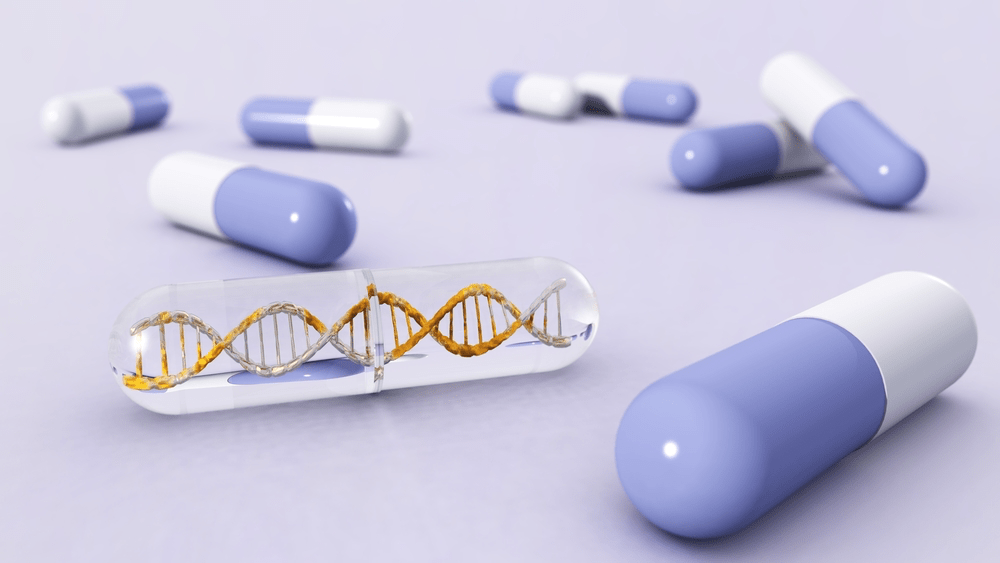
    I can’t help but see two very different ways of thinking when I look at the new drugs that target p53. MDM2 inhibitors, like brigimadlin, are on one side. They work under the assumption that p53 is still healthy; it’s just muted. On the other hand, there are the more ambitious projects that try to fix p53 when it is structurally broken, like eprenetapopt and FMC-220, or gene therapy that replaces it completely. They want the same thing, but their chances, risks, and timelines seem very different.

    Brigimadlin is, in my opinion, the most clear and clinically sound bet. It doesn’t try to change the rules of protein folding or make strange delivery systems. It just stops MDM2, a protein that tumors use to silence p53. The best part is that we already know this interaction is real and can be targeted. Brigimadlin is being tested in cancers like liposarcoma, where MDM2 overexpression is almost always present. It is accurate without being too complicated. Yes, it will only help if TP53 is intact, but in that case, I think the “unblock the brakes” method is the best one. It’s simple, easy to measure, and less likely to fall apart because biology is so unpredictable.

    Next, there is sulanemadlin, a stapled peptide with two MDM2 and MDMX. I like the ambition. Some tumors depend on MDMX more than MDM2, and drugs that only target one of them might leave that escape route open. In theory, stopping both of them could make a more general way to reactivate p53. But the truth is that peptides are very hard to work with in the clinic, and sulanemadlin’s safety problems show that. I’m not sure that the molecule, as it is, can win, but I wouldn’t completely rule out the idea of a dual target. If someone could figure out how to make it safe and deliver it, it could be very useful. But that’s a big “if.”

    I see both the most scientific elegance and the most risk in the mutant p53 reactivators, such as eprenetapopt and FMC-220. Fixing a broken tumor suppressor at the protein level is like trying to fix a car engine while it’s running: it’s possible in theory, but even small mistakes can cause it to fail completely. Eprenetapopt has shown some promise, but the results have not always been the same. FMC-220 is more focused on the Y220C mutation, which could make it much stronger for the small number of patients who have that exact variant. It’s like a sniper shot instead of a broad-spectrum drug. I like that way of thinking, but it won’t be a “p53 cure-all” because it only works in a few cases.

    Gene therapy like Gendicine is brave, and to be honest, it still feels like science fiction in most places outside of China. The thought of giving someone a working TP53 directly is almost too good to be true. But the problem that has kept this field from moving forward for decades is getting it into all tumor cells and only tumor cells. Oncolytic viruses work in a similar way, using defects in the p53 pathway to sneak into tumor cells and kill them. They’re smart, but again, not something I’d put ahead of the more targeted strategies that don’t depend on delivery as much.

    If I had to choose the method that seems most likely to work in the next five years, I would choose the MDM2 inhibition route, specifically brigimadlin. It’s a targeted fix for a very clear and testable problem in some cancers. It’s the one that seems to have the shortest path from “mechanism” to “measurable clinical benefit.” That doesn’t mean you should give up on the others; not at all. I think mutant reactivators and dual MDM2/MDMX blockers are worth investing in, but I would see them as high-risk, high-reward plays instead of the main part of a p53 drug strategy.

    That’s where I stand, but reasonable people could see it differently on this subject. Should you stick with the method that is most likely to work soon, even if it only helps a small number of patients? Or is it better to spread resources across riskier, more complicated strategies that could one day help a lot more people reactivate p53? My gut tells me to start with the surest path and work my way out, but I’d like to know if anyone else thinks the moonshot should be a priority right now.

  • First Entry – 25/06/2025

    I’ve been interested in genetics for a long time, but it wasn’t simply the huge ideas that got me interested. I have always been quite interested in p53, which is sometimes termed “the guardian of the genome.” The more I studied about it, the more I was intrigued by how it stops damaged cells from dividing, which helps protect the body from cancer. This one molecule seemed to have a lot of crucial decisions to make in the cell.

    What really got my attention, though, was how fragile this system is. p53 is part of a much bigger system and doesn’t work by itself. MDM2, a protein that controls p53, was one aspect of that network that caught my eye. I used to think of MDM2 as a supporting character who helped p53 stay in balance. But as I looked into it more, I realized it could be just as significant.

    MDM2’s function is to keep p53 levels in check, which doesn’t seem too bad. But in some circumstances, like cancer, MDM2 is overly active. It hinders p53 from doing its job, which lets cells with damaged DNA grow and divide. That little change could lead to something big.

    During a week-long internship at BioScience Lab in Dubai with Dr. Giuseppe Mucci, I became more interested in MDM2. I was previously interested in p53, but working in the lab let me focus more on the practical side of things. We talked about molecular pathways, tests, and real-life instances of how researchers or testers employ certain proteins. I wanted to know more about MDM2 every time it came up.

    After that, I read a lot of scientific publications for a long time. I began gathering research papers to see what scientists had to say about MDM2 in various forms of cancer. I learned about biomarkers, which are chemicals that may be analyzed to give information about a person’s risk of getting a disease or how that condition can proceed.

    That’s when it made sense. What if MDM2 could be used as a biomarker to find out if someone is at risk for cancer?

    It seemed like a question that needed to be answered. There has previously been a lot of studies on how MDM2 works in diseases such sarcoma, breast cancer, and leukemia. There is proof that having too much or too little of it can lead to the growth of tumors. We might be able to notice those warning signs early if we could measure MDM2 accurately.

    That question led me to do my own investigation. I want to learn how MDM2 could be utilized to tell if someone is at risk for cancer, not only in principle but maybe even as a future diagnostic test.

    For now, I’m still reading as much as I can to get a better idea of how MDM2 works in different situations. I also aim to get in touch with researchers and professionals that have worked with biomarkers or looked into this pathway in depth. I hope that by putting together what I learn from science and these talks, I might someday help develop or make a test that leverages MDM2 to find problems early on.

    I’ll write about my progress on this blog. I’ll write about the papers I’m reading, the thoughts I’m working through, and the people that teach me things along the way. I don’t have all the answers yet, but I’m looking forward to asking the proper questions and maybe even finding something beneficial.