Below is a selection of the latest articles related to the developments linked to TP53.
Please click the image above each title to access the paper.
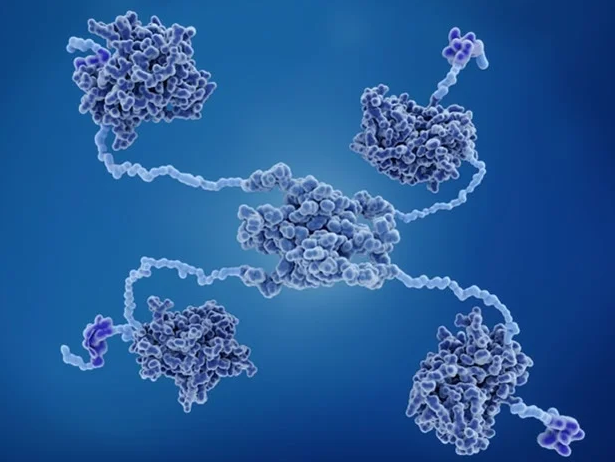
Targeting the R248Q TP53 Mutation with Protein Degradation
Researchers found a way to neutralize a common TP53 mutation (R248Q) by breaking down the faulty protein. This restored normal p53 tumor-suppressing activity and slowed down cancer cell growth. A promising new direction for precision cancer therapies.
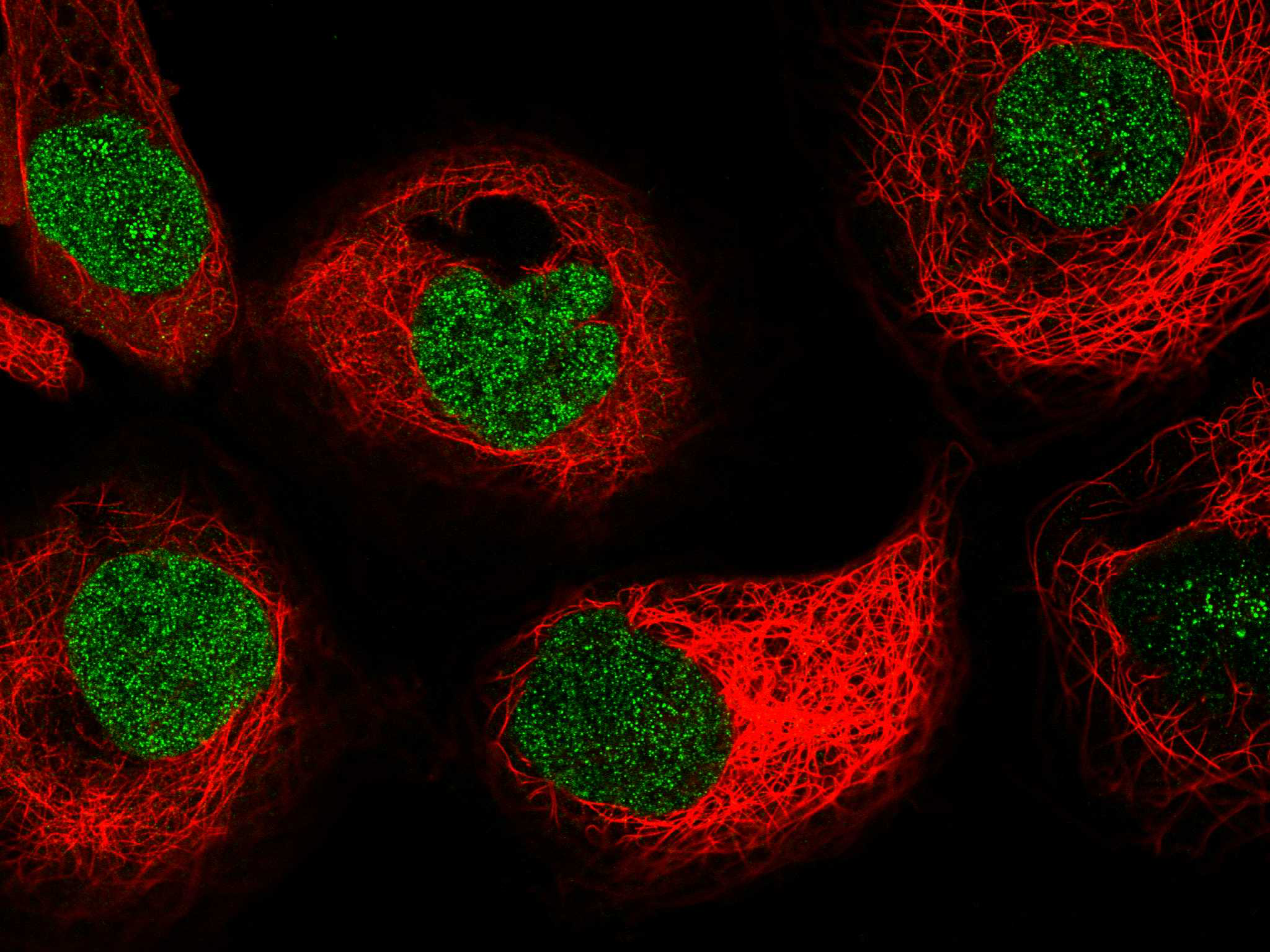
Repurposing MDM2 inhibitor RG7388 for TP53-mutant NSCLC
Researchers found that RG7388 (idasanutlin), originally targeting wild‑type p53, also kills TP53‑mutant lung cancer cells—not through apoptosis, but by triggering cell swelling and lysis (pyroptosis). It works via ROS/p‑p38/NOXA/caspase‑3/GSDME pathways. This is novel because it bypasses the need for functional p53, offering a new therapy for p53-mutant NSCLC
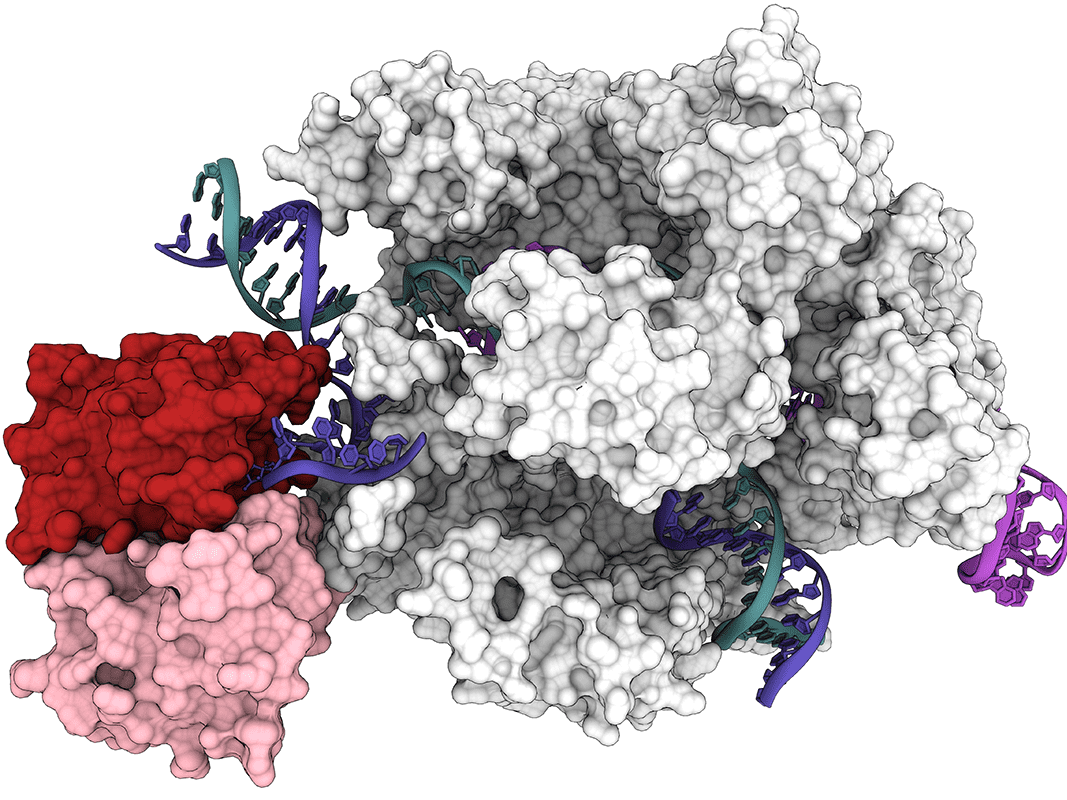
Generation of TP53 knock out induced pluripotent stem cell using CRISPR/Cas9
Scientists created an induced pluripotent stem cell (iPSC) line completely lacking TP53, providing a powerful tool to study how total p53 loss impacts development, DNA damage response, cancer risk, and drug resistance
 YP53
YP53 