Scientists are learning more about how living things work than ever before by combining artificial intelligence (AI) and genetics in powerful ways. AI can quickly process a lot of data, and genetics gives us the basic structure of life. Together, they are opening up new ways to learn about health, disease, biology, and more specifically the p53 protein.
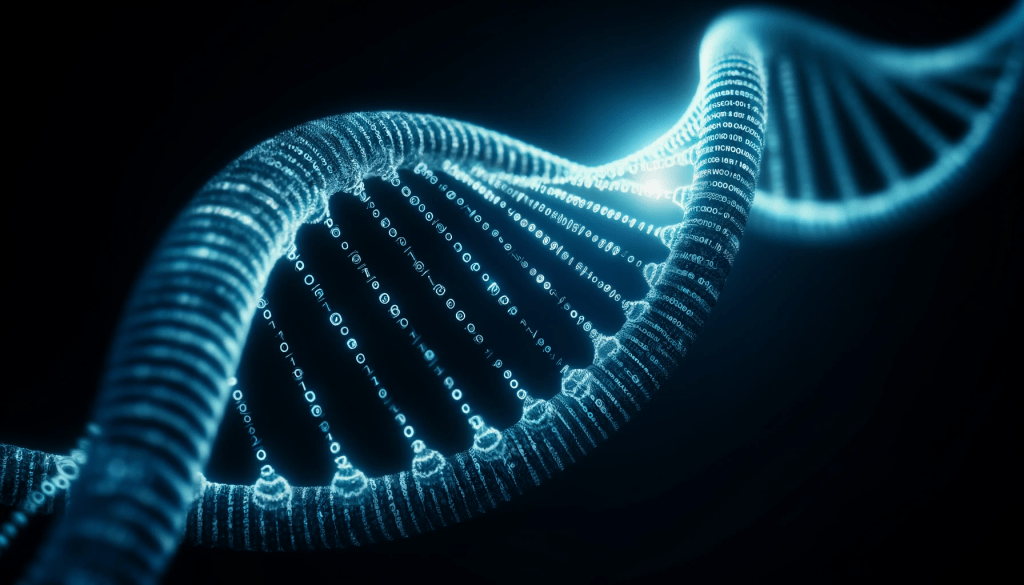
AlphaFold by DeepMind is one example of a technology that uses AI and genetics together. It predicts the three-dimensional shapes of proteins based on their amino acid sequences. This tool is helping scientists learn more about how proteins work and how they are linked to different diseases. GeneFormer, a project by NVIDIA and Harvard, is another example. It uses deep learning to figure out how changes in DNA affect gene expression in different tissues, giving us more information about complicated genetic traits. Another AI-based tool that makes genetic testing more accurate is Google’s DeepVariant. It takes raw DNA sequencing data and turns it into more accurate genetic variant calls. Companies like Benson Hill use AI to look at plant genetics and make better crops with higher yields and better nutrition. These tools that work in the real world show that AI isn’t just a theory in genetics; it’s already being used and making a big difference.
DeepMind made AlphaFold, which is one of the best examples of AI in biology. It was made to solve a long-standing problem in science: figuring out what shape a protein will take. Proteins are made up of chains of amino acids, and the shape of these chains affects how they work in the body. You can learn more about what a protein does and how it might cause disease or react to a drug if you know its shape. Before AlphaFold, it could take months or even years to figure out a protein’s structure using lab methods. AlphaFold can guess the shape of new proteins in just a few minutes by using deep learning models that have already been trained on known protein structures. DeepMind made a free database of more than 200 million protein structures available in 2021. This database includes almost all known proteins. Researchers have already used this resource to learn more about cancer, malaria, and antibiotic resistance. AlphaFold doesn’t just save time; it also makes it possible to find things that weren’t possible before. It is now used in drug design, enzyme engineering, and synthetic biology, among other fields.
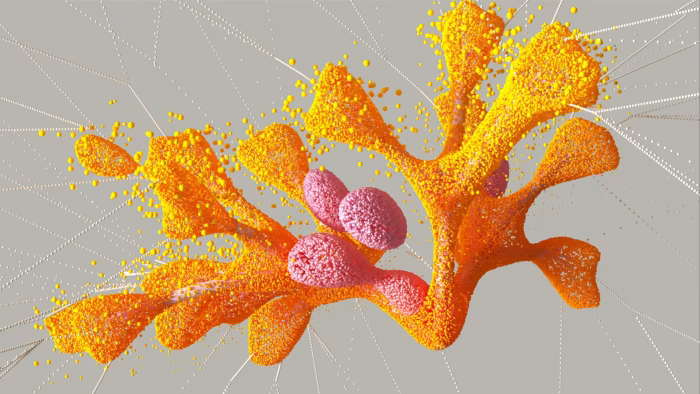
DeepVariant, which Google made, is another example from the real world. Deep learning, a type of AI, is used by this tool to make reading DNA more accurate. Scientists get a lot of short pieces of genetic code when they sequence DNA. It can be hard and error-prone to figure out exactly what the whole sequence looks like and where small changes, or variants, are. DeepVariant uses image-recognition-style methods to find mistakes and real genetic variants in the raw data more accurately than older methods. It works by turning sequencing data into pictures and then using a neural network to look at them, just like how AI can tell what things are in pictures. DeepVariant has been shown to work better than older tools, especially in hard-to-read parts of the genome. Researchers and hospitals can use this to make better diagnoses of genetic diseases, keep track of inherited traits, and even plan personalized treatments based on a person’s unique genetic profile.
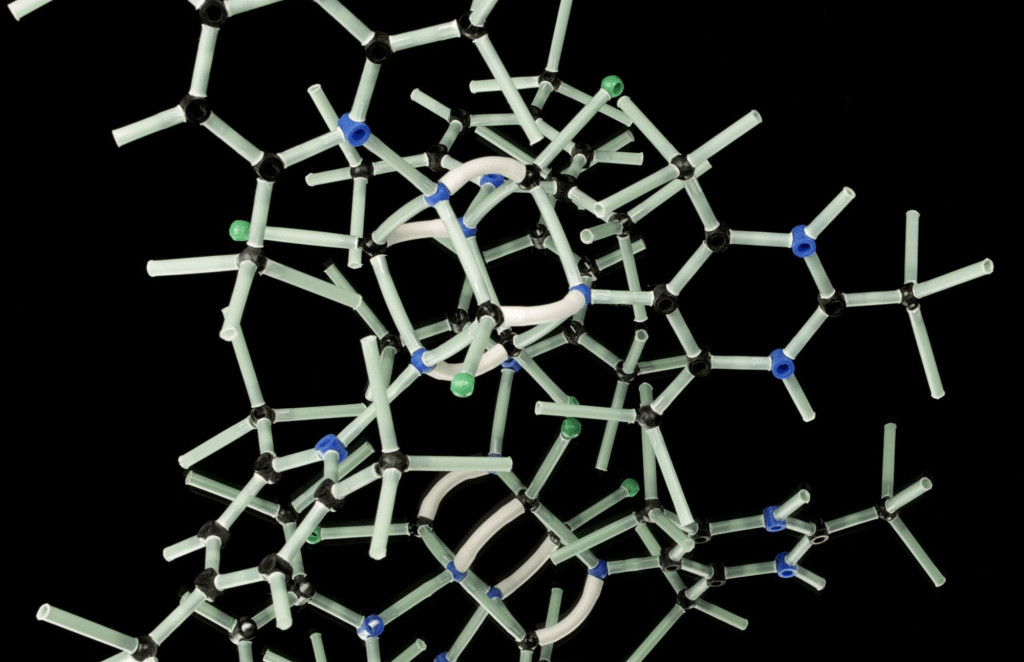
AlphaFold and DeepVariant together show how different AI tools can work together to help us learn more about genetics. DeepVariant makes it easier to read genes, while AlphaFold helps us understand what genes do by showing us the proteins they make and how they are built. We can use AlphaFold to figure out how changes in a person’s genome might affect the proteins in their body if DeepVariant gives us a better picture of that person’s genome. A small change in DNA, for instance, could change the shape of a protein in a way that makes it sick. Scientists can see exactly what went wrong because AlphaFold can model that shape. Researchers can now go from finding a genetic mutation to understanding how it affects molecules, which speeds up research and opens the door to new treatments. It also helps scientists find better connections between DNA and disease, which gives a fuller picture of how genetics affects health.
This integrated approach is especially promising for analyzing critical proteins like p53, known as the “guardian of the genome.” DeepVariant can pinpoint subtle mutations in the TP53 gene, and AlphaFold can then simulate how these mutations deform the p53 protein’s structure, revealing, for instance, how it may fail to bind DNA or trigger cell death in cancerous cells. This kind of combined AI workflow could, in the near future, revolutionize our ability to detect structural damage in proteins like p53, either by scanning DNA for risky mutations or by directly modeling mutant proteins to spot hidden functional flaws. As these tools mature, they promise to redefine cancer research and diagnostics, bridging the gap between raw genetic data and precise, actionable molecular insights. Ultimately, they could lead us to earlier detection, smarter drug design, and more personalized treatment strategies rooted in a deep understanding of how our DNA shapes our health.
 YP53
YP53 
Leave a comment